Meet the Makers: Profiles of Slovenia’s Traditional Artisans and Studios
Journeys Behind the Workshop Door
Lace Breathing in Idrija
In Idrija, bobbin lace emerges from a pillow pricked with patterns, guided by fingers that learned rhythm long before theory. The soft clatter of wooden bobbins becomes a steady song as threads cross and twist. Many families carry stories of schoolrooms where girls learned stitches after chores, and today skilled lacemakers demonstrate, teach, and design contemporary pieces that keep UNESCO-recognized knowledge alive for curious visitors and future hands.
Ribnica’s Woodenware in Workaday Rhythm
Ribnica’s turners and carvers shape bowls, ladles, toys, and humble tools from carefully seasoned wood, their knives and lathes tracing forms remembered by muscle. Traveling peddlers once carried these wares across borders, and echoes of that itinerant spirit remain in open workshops and friendly markets. Sit beside a bench, watch curls fall like pale ribbons, ask about wood choices, and discover why simple spoons can hold entire histories.
Salt Sun at Sečovlje
Along the Sečovlje salt pans, harvesters guide wooden rakes over petola, the protective biofilm that nurtures delicate crystals. The Adriatic wind, summer heat, and patient watching decide the day’s rhythm. Egrets lift from mirror water as workers skim the surface, stacking mounds that sparkle like quiet snow. Each grain tells of time, tides, and care, reminding visitors that elemental materials, tended respectfully, become treasured food and memory.
Materials, Tools, and the Patience of Hands
Clay Rising from the Mura Plain
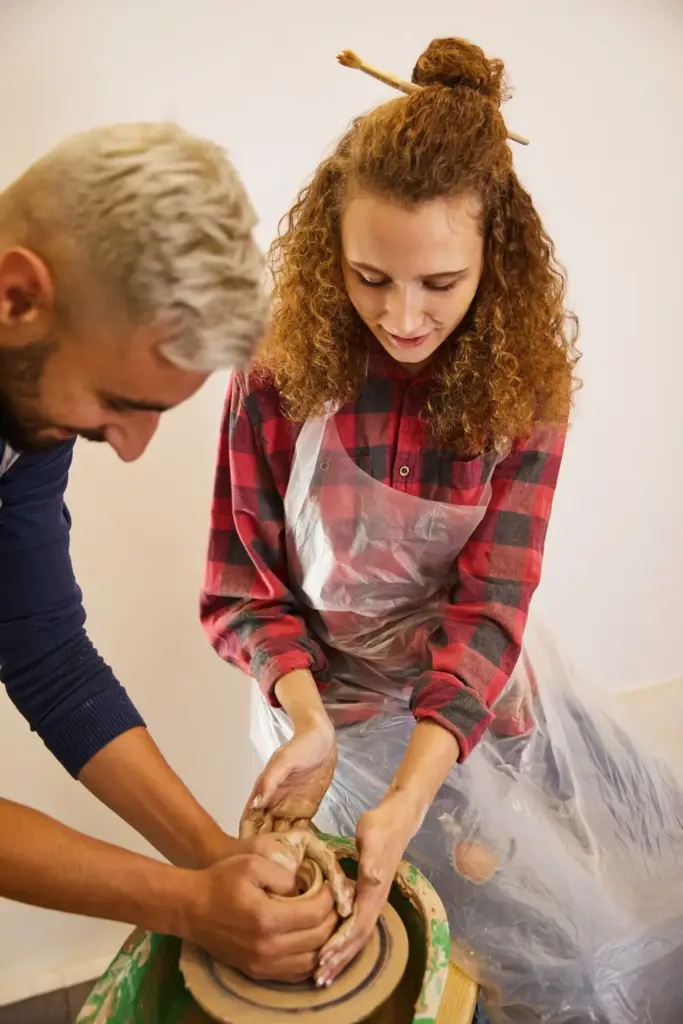
In Prekmurje, potters knead clay gathered from soils shaped by the Mura River, testing plasticity with practiced palms. Wheels hum, fingers center, and glazes echo local minerals. In village kilns, flames map orange constellations on night walls. Each vessel carries the quiet of curing, the tension of firing, and an intimacy with daily use. Ask for the story behind a mug, and you’ll drink history with your tea.
Iron Tempered in Kropa
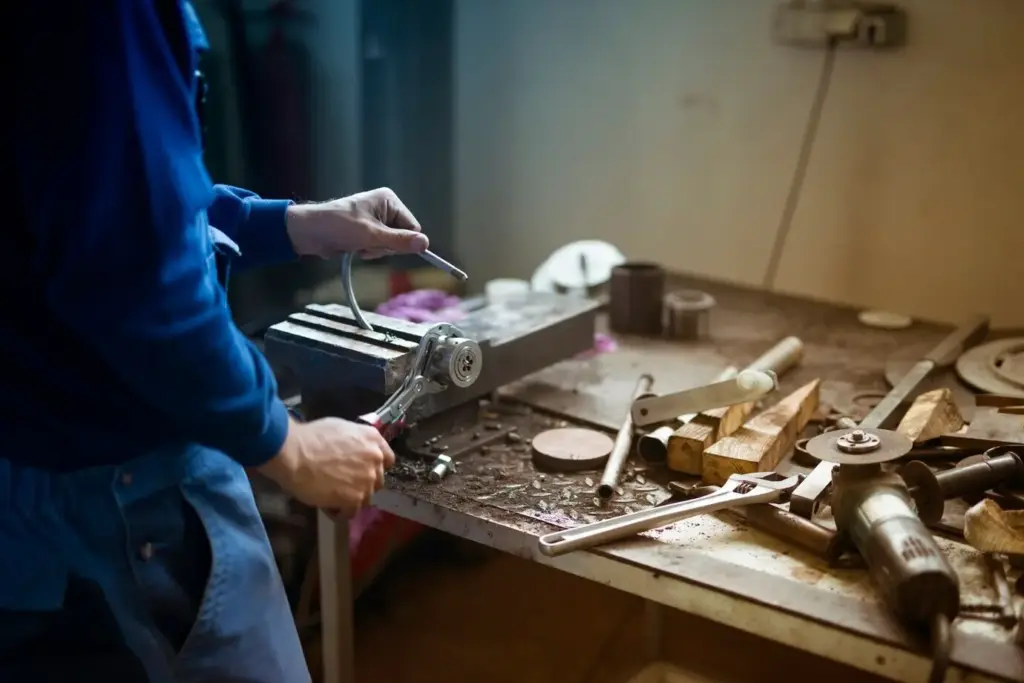
Kropa’s blacksmiths and nail-makers have hammered identity into iron for centuries, reading color like a language: straw, cherry, bright. Bellows breathe; anvils answer with ringing punctuation. A straight strike saves time; a crooked one teaches humility. Watch sparks briefly sketch fireworks around a forge, then fade into darkness. When you hold a handcrafted hinge or nail, you feel both architecture and ancestry, balanced in something small yet undeniably strong.
Beehives and Honeycombs of Carniola
Among painted hive fronts and fragrant frames, beekeepers work with the calm diligence of their Carniolan honey bees. Smoke guides, not scares; timing matters; respect is constant. Honey becomes mead, wax becomes balms, propolis becomes remedy. Studio shelves glisten like amber windows. Ask how seasons shape flavor, why hive placement matters, and how makers bottle not only sweetness but also a pollinated landscape that feeds many crafts beyond their own.
Lineage, Learning, and the Courage to Continue
Grandmothers’ Patterns, Daughters’ Innovations
Guild Echoes and Village Mentors
City Studios Welcoming Curious Visitors
Places Shape Objects
Sustainability Woven into Everyday Practice
Local Fibers, Seasoned Wood, and Sea-Salt Cycles
A felt hat begins with regional fleece, a spoon with a storm-felled branch, and fine salt with months of sun and wind. These lifecycles resist rush. Makers explain why humidity matters, why logs must rest, why salt pans sleep in winter. Understanding tempo prevents waste and disappointment. When you embrace seasonal cadence, your purchase aligns with weather, work, and wisdom, reinforcing a resilient local economy sustained by respect.
Repairing as Respect
A chipped bowl can be mended, a loose handle reset, a dulled knife re-ground with skill. Workshops welcome repairs because fixing extends stories and keeps resources circulating. Some makers highlight mends with contrasting materials, celebrating scars like maps of use. Bring your beloved object back; you’ll leave with practical care tips and renewed appreciation. Over time, repaired pieces become talismans of learning, patience, and beautifully responsible ownership.
Plan Your Route with Kind Curiosity
Commission Something You’ll Keep for Decades
Learn a Skill and Share Your Story
All Rights Reserved.