Hands-On Journeys Through Slovenia’s Village Workshops

Join us as we dive into immersive artisan workshops across Slovenia’s villages, meeting makers whose skills shape clay, lace, wood, iron, and honey into everyday wonder. We’ll explore immersive artisan workshops across Slovenia’s villages in practice, not theory, learning how to book, arrive, participate, and contribute. Expect practical guidance, warm anecdotes, and invitations to share questions, subscribe for fresh routes, and return with your own stories, fingerprints dusted in clay and pockets scented with beeswax.

Winding Paths Through Hands and Heritage
Slovenia’s small scale makes it perfect for weaving several workshops into a single slow day, linking meadows to mountain forges and sleepy lanes to lively studios. Plot a route that connects Filovci’s pottery, Ribnica’s woodcarvers, Idrija-region lacemakers, and Kropa’s smiths, leaving time for coffee and conversation. Build buffers for weather and village festivals, because surprises are part of the learning. Share your plans in the comments so fellow travelers can trade detours, friendly guides, and favorite roadside bakeries.

Clay That Remembers Fire

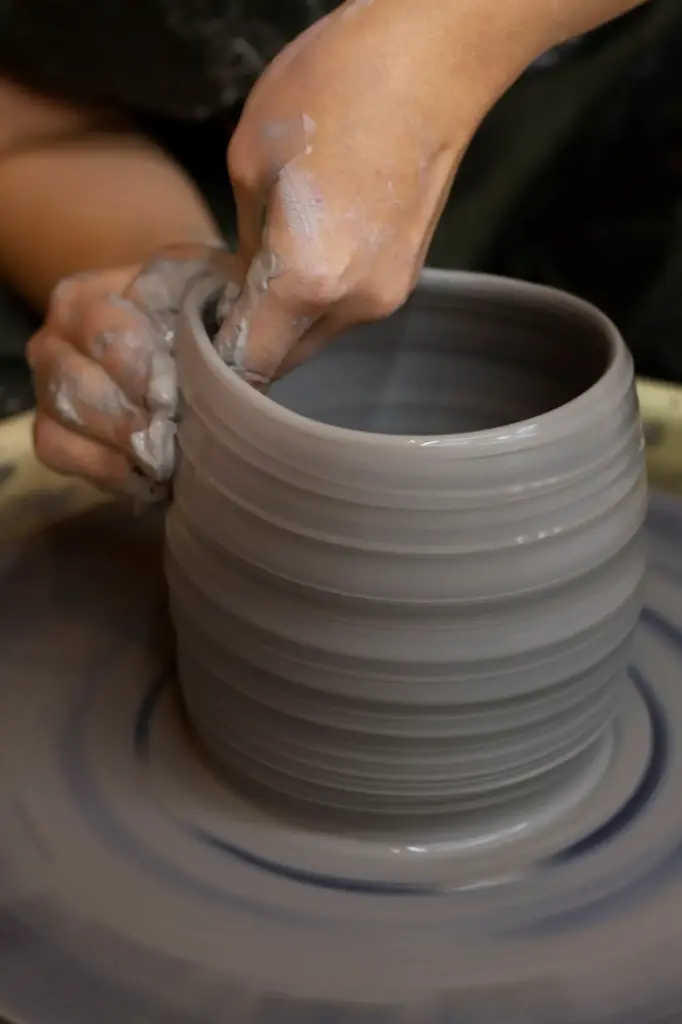
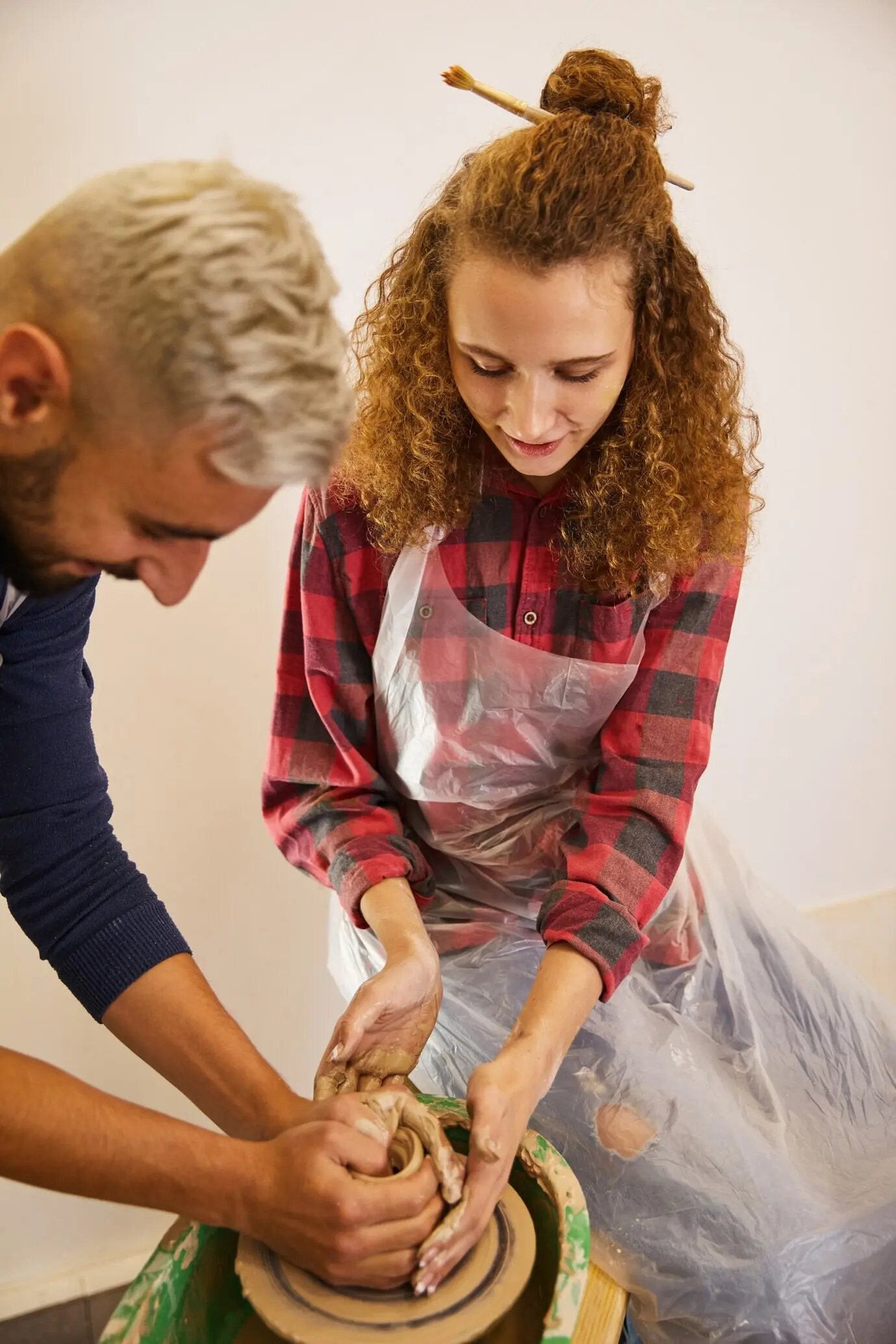
In Prekmurje’s Filovci, clay turns black with ancient smoke-firing, carrying the hush of fields and the patience of hands. Across villages, wheels hum like bees, and slip trails your fingertips left become permanent whispers under glaze. Workshops invite beginners to coil, pinch, and center wobbly cylinders until breath and spin agree. Expect laughter at collapsed rims, proud first cups, and quiet moments watching fire perform its last, transformative sentence on your simple bowl.

Filovci’s Blackened Vessels

Smoke-firing in Filovci kisses vessels into deep charcoal, a finish that hides fingerprints yet reveals flame’s path. Your host might show clay dug from nearby banks, mixed with sand that remembers river stories. When pots emerge, warm and murmuring, you’ll rub beeswax to wake a soft sheen. Ask about shapes once carried to markets, and leave with a piece that darkens tea just slightly, like a friendly cloud passing over the sun.

Glazes from Garden and Field

Some studios experiment with ash, herbs, and local clays to create quiet, earthy glazes that belong to the surrounding hills. You’ll learn about sieving, testing tiles, and the way minerals drift during firing. Expect shelves of labeled experiments, a patient ledger of kiln curves, and jokes about temperamental weather. Share your favorite glaze tones below, especially if a cup changed character between seasons, teaching you that color often settles where conversation lingers longest.

Threads That Sketch Mountain Air

Pillows, Bobbins, and Whispered Patterns

Your guide will show how pricking lines on stiff paper becomes a path for pins, then how tension sings across the pillow. The bobbins, smooth as river stones, behave like instruments in a pocket orchestra. You’ll learn to cross and twist, listening for the click that says balance. Mistakes? They become lessons tucked beneath new rows. Share a photo of your first square of ground, and write the word your hands kept repeating.

Learning from Patient Hands

One lacemaker recalled practicing during lambing season, pausing to check the barn, then returning to finish a motif shaped like a leaf wet with morning. That rhythm—duty and making—shapes the craft. In workshops, your mentor watches posture, alignment, and breath, adjusting pins so tension feels kind. When you finally remove the paper and see openwork holding together, you’ll understand why gratitude spreads like tea. Comment with the moment you realized time had slowed and deepened.

Wearing and Caring for Handmade Lace

Lace loves gentle hands and infrequent washing; let a garment rest after wear, then air it flat like a quiet thought. Avoid sharp jewelry, and celebrate small repairs as proof of a life well-lived. Villages often pair lace with linen and wool, balancing gloss with softness. You’ll learn storage tricks from a smiling aunt who uses archival paper and cedar sprigs. Share how you styled your piece for a family supper, and whose eyes lit up first.

Inside a Painted Bee House

Step beneath a roof painted with saints, animals, and mischief, each panel a lesson or joke for passersby. Your host opens the hive calmly, smoke drifting like a lullaby. Bees rise and settle again, unbothered by your careful gaze. You’ll learn bee paths, seasonal flows, and how villagers read the weather through flight. Before leaving, sign the guestbook with sticky fingers and gratitude, then share which panel’s story you’d retell at your own kitchen table.

Hands-On with Frames and Calm Breathing

The first rule is softness: slow movements, steady breath, and respect for invisible boundaries. You’ll lift a frame and watch sunlight turn combs translucent, a golden cathedral humming with work. Your teacher might point out the queen’s entourage, then let you uncap honey with a warm knife. Taste changes with chestnut, linden, and meadow mixtures, each jar a small landscape. Tell us which flavor surprised you most, and what you’ll plant to feed your new friends.

Kropa’s Living Furnace Memory

A smith shows the museum’s old water hammer, then leads you to a working forge where the anvil’s face gleams like a promise. You’ll learn to judge orange from yellow heat, when steel listens versus argues. Nail-making looks simple until it isn’t, and your teacher grins kindly through each bent attempt. When you finally find the rhythm—tap, rotate, breathe—pride arrives quiet and steady. Share that moment below, so others know perseverance has a sound.

Hammer Rhythms and Safe Stances

Grip, elbow, hips, then feet: alignment protects wrists and makes each blow efficient. Your mentor sets a pace that matches breathing, not bravado, and shows how a lighter hammer can deliver cleaner control. You’ll quench, normalize, and listen for the hiss that means change. Sparks kiss your apron, light but insistent. Post your safety tips—eye protection, cotton layers, tied hair—so newcomers feel confident. Strong work begins with gentleness, in forging and in conversation.

Forging a Keepsake with Meaning

Hooks, leaves, and bottle openers are popular starters because they teach tapering, scrolling, and patience. Choose a design that nods to place: a leaf like beech woods above the village, or a spiral like river eddies. Stamp initials, then brush beeswax for a warm finish that smells faintly of orchards. Tell us who you gifted your piece to and why; good objects gather stories faster than rust, and your words will help them shine longer.

From Forest Shade to Friendly Tools

Ribnica’s suha roba tradition turns maple, beech, and linden into spoons, sieves, toys, and gentle household helpers, while Bela krajina’s willow weavers braid baskets that breathe. Workshops welcome sandpapered palms and curious questions, teaching grain direction, knife safety, and the music of shavings. You’ll feel the difference between hurried cuts and patient ones as curls fall like pale ribbons. The result is useful, honest, and pleasantly humble, carrying the scent of woods you walked through.

Ribnica’s Suha Roba Legacy

Peddlers once roamed with packs full of woodenware, trading jokes and sieves in distant markets. Today, makers share templates, carving strokes, and the quiet skill of reading grain before it speaks back. You’ll practice spoon bowls and delicate handles, sanding until the shape hums. A final oiling reveals figure like hidden water. Post a photo of your spoon beside soup, then tell us about the first nick you repaired, turning worry into knowledge.

Willow That Bends Without Breaking

Soaked rods become supple partners, ready to spiral around a sturdy base. Your teacher demonstrates tucking ends invisibly and spacing uprights for breath, not suffocation. Basket rhythm is body rhythm: knees braced, wrists relaxed, eyes soft. Mistakes loosen with patience and a basin of warm water. You’ll carry home a basket that fits apples like a lullaby. Share the first errand it performed—market greens, picnic bread—and how the handle finally settled into your palm.

Carving Stories Into Useful Objects

Every notch can honor a memory: a mountain ridge from yesterday’s hike, a bird seen at dusk, a grandparent’s proverb. Beginners start with chip patterns that persuade light to dance. You’ll learn to strop a blade, respect end grain, and stop before tiredness blunts judgment. When oil darkens the wood, your carving deepens like a held breath. Leave a comment about the motif you chose and the person you thought of while cutting.

Tuvizifelotalu
Privacy Overview

This website uses cookies so that we can provide you with the best user experience possible. Cookie information is stored in your browser and performs functions such as recognising you when you return to our website and helping our team to understand which sections of the website you find most interesting and useful.