From Chisels to Honeycombs in Upper Carniola
Roots in the Mountains
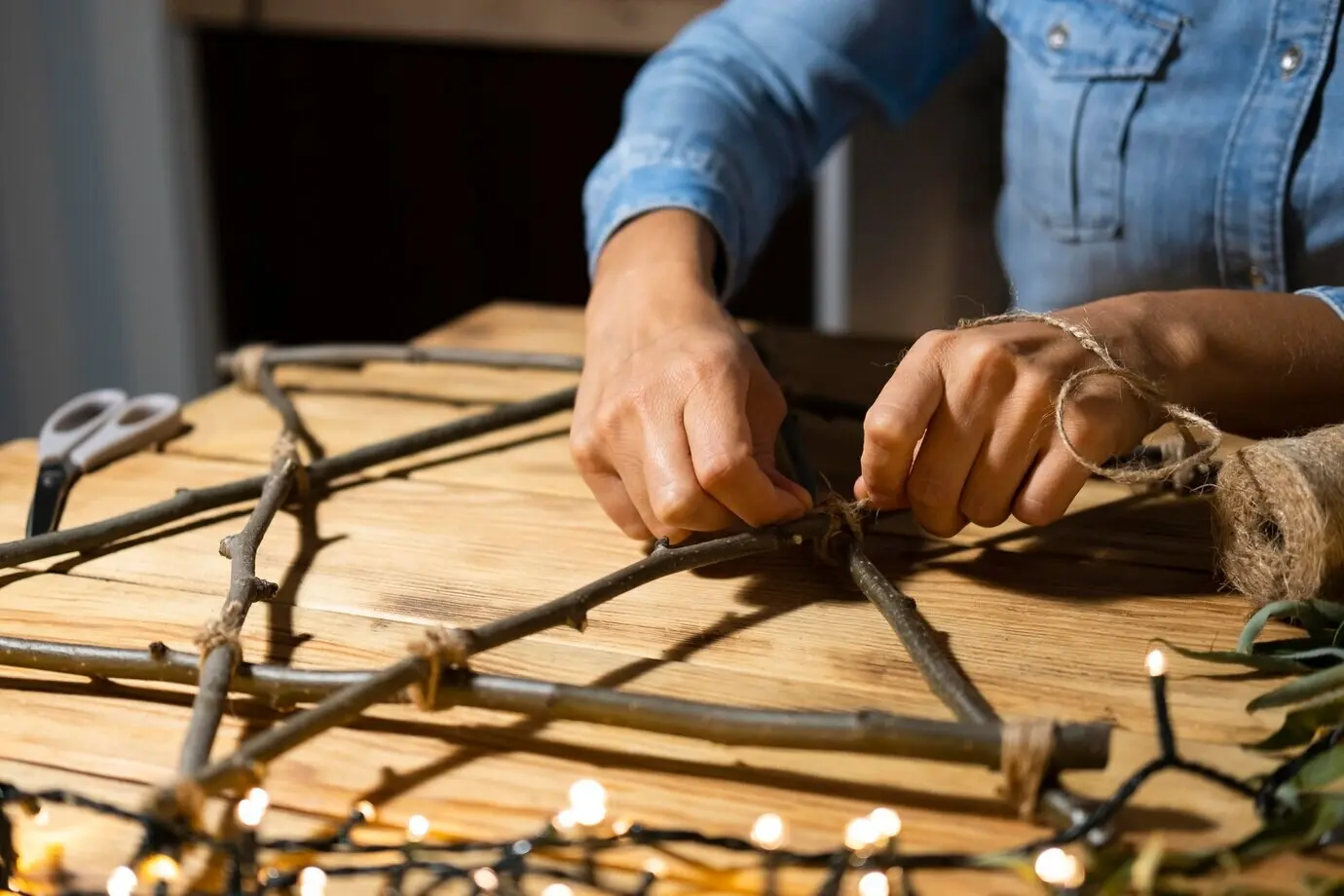
The Carver’s Bench
Life Inside the Hive

Where Craft and Honey Meet
Beehive Panels Reimagined
Painted hive panels once carried folk humor, legends, and instruction. Today, artisans blend low relief carving with subtle color, creating scenes that catch light and weather gracefully. Motifs may show shepherd paths, swirling river bends, or gentle bees drifting over alpine thyme. Installed on apiary facades, these pieces greet visitors, celebrate local identity, and protect wood beneath. Each new panel quietly converses with older ones, continuing a dialogue of craft, place, and neighborly delight.
Utensils with Purpose
Honey dippers, butter knives, and serving boards serve daily rituals yet invite artistry. Carvers shape ergonomic handles, cut channels that hold honey, and finish surfaces to resist moisture without losing tactile warmth. Pair a carved dipper with a jar of linden honey for a gift that honors region and season. These humble objects earn a patina through breakfasts and picnics, becoming companions that nudge families toward slower bites, shared smiles, and appreciation for thoughtful, local making.
Working Beside Wings
Respectful behavior near hives makes collaboration possible. Wear calm colors, move unhurriedly, and avoid strong fragrances. Schedule heavier work at cooler times and keep clean water available for bees. Carvers setting up outdoors learn to keep shavings tidy so foragers are not confused. When bees investigate, remain steady; gentle patience diffuses worry. Over time, craftsperson and colony synchronize routines, allowing both chisels and wings to proceed smoothly, side by side, beneath the same bright mountain light.
Paths, Villages, and Hands-on Moments
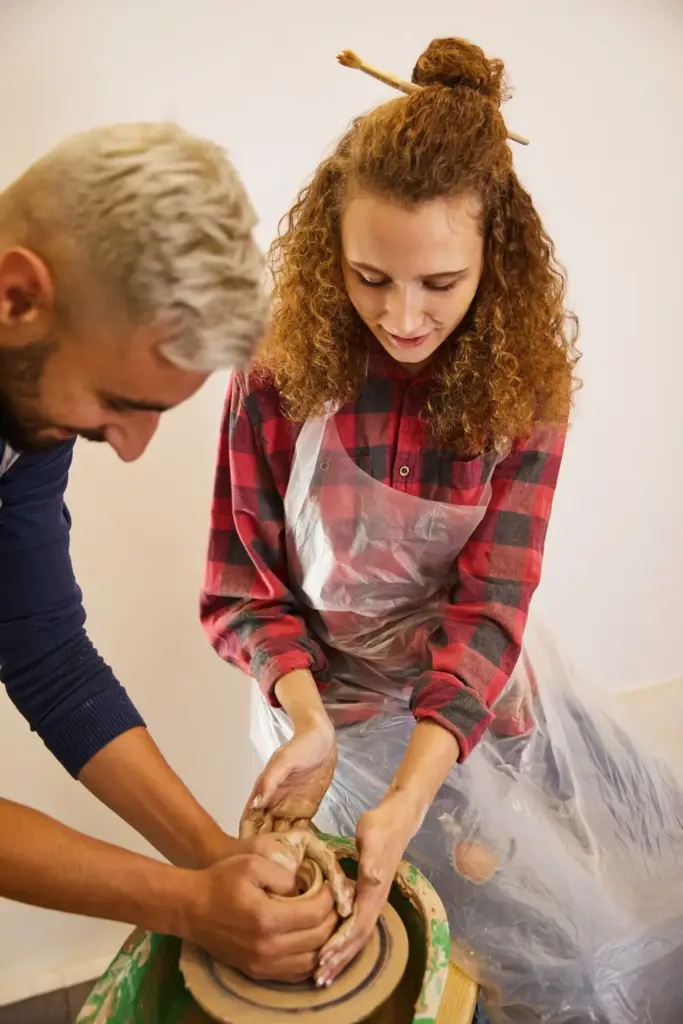

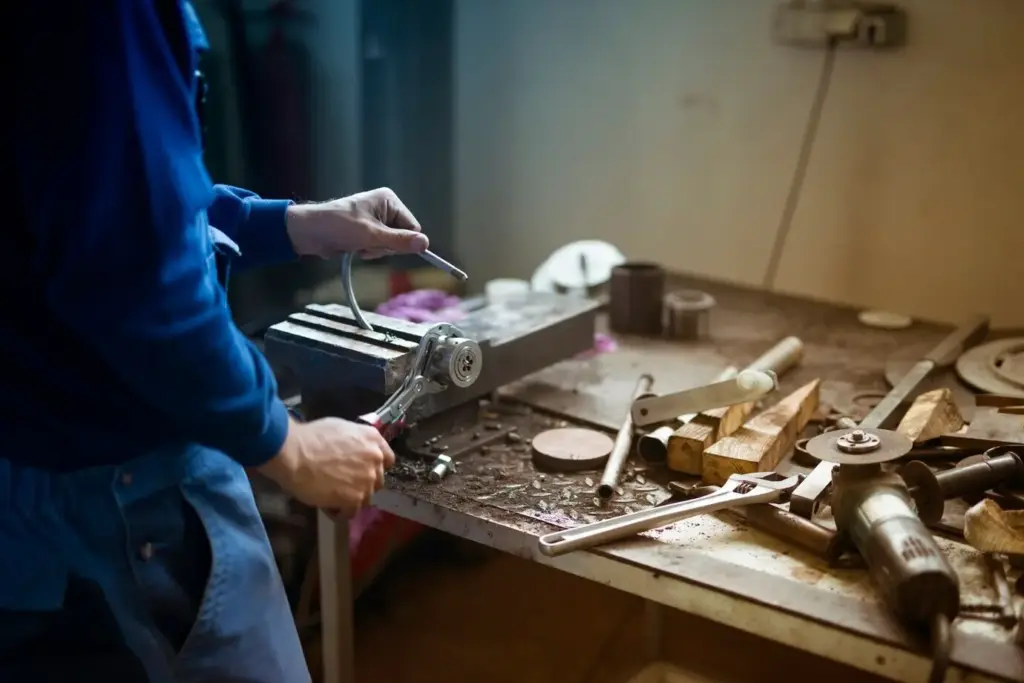

Stewardship and Skills for Tomorrow
01
Choosing Wood with Care
Responsible sourcing starts with questions: which species suit the project, what certifications or local assurances exist, and how was the forest managed? Storm-fallen or pruned stock can become beautiful work while reducing waste. Dry boards slowly to minimize checks, label dates, and rotate inventory. Respect wood’s journey and accept occasional knots or discoloration as character. When you finish a piece, acknowledge the hillside that grew it and the people who tended that living, generous resource.
02
Caring for Carniolan Bees
Healthy colonies begin with habitat. Plant nectar-rich native species, avoid pesticides, provide clean water, and winterize with wind protection and adequate stores. Regular inspections emphasize observation over disturbance, noting temperament, brood patterns, and mite management strategies that fit local guidance. In Upper Carniola, seasonal rhythms inform every decision. When spring rush arrives, expand space calmly. When autumn cools, reduce entrances against drafts. Each small kindness compounds into resilience, producing honey that reflects mindful stewardship and shared responsibility.
03
Join the Circle
Your voice keeps these practices alive. Share a carving you made, a honey you loved, or a question that sparked during today’s reading. Comment with tips, suggest places to visit, or invite us to your workshop. Subscribe for field notes, interviews, and itineraries shaped by seasons. Bring a friend next time and add your own story to this highland chorus, where every curious learner strengthens the weave connecting makers, bees, forests, and warm, welcoming tables.
All Rights Reserved.